

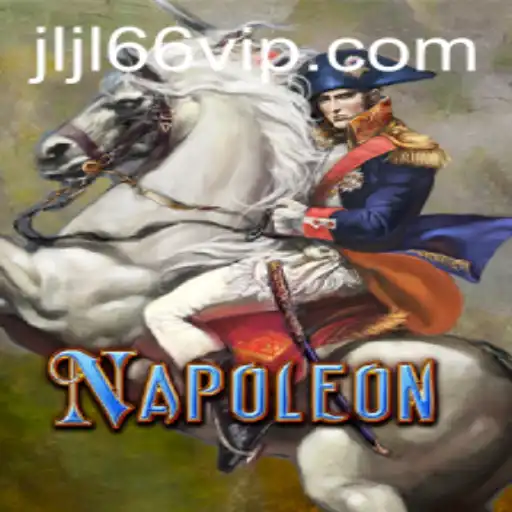

Discover Napoleon, a compelling card game that blends strategy, historical intrigue, and modern-day relevance.
Napoleon: A Strategic Card Game Experience
The game of Napoleon is a captivating blend of strategy, luck, and historical references, poised to engage card game enthusiasts and history buffs alike. This remarkable game weaves the tale of the famed French military leader and extends this narrative into a competition of wits and skill. Set in a world of intrigue during the Napoleonic wars, players must utilize strategic planning and shrewd decision-making to outmaneuver their opponents.
The Introduction to Napoleon
Naming the game Napoleon immediately evokes the image of the legendary figure, Napoleon Bonaparte. The game capitalizes on this association, providing players an immersive experience as they navigate the complex layers of European politics, warfare, and alliances during his reign. With each hand dealt, the players take on roles akin to strategists at Napoleon's court or opposing generals from rival nations.
Immersive Historical Context
The game is carefully designed to offer an authentic historical experience, using the background of conflict-ridden Europe as its vibrant setting. As players delve deeper, they become part of a narrative that not only challenges their strategic acumen but also provides a rich tapestry of the era's intricacies. Each card and move echoes the tension and drama that defined the Napoleonic wars, making each session a unique historical reenactment.
Understanding the Rules of Napoleon
The rules of Napoleon are straightforward yet offer profound depth through varied strategies and player interactions. The game typically accommodates 3 to 6 players, making it ideal for both small gatherings and larger groups seeking an engaging activity. The primary objective is to accumulate as many points as possible through skillful card play and calculated risk-taking.
Setup and Play
Before the game begins, a standard deck of cards (with Jokers removed) is shuffled and dealt evenly among players. Each player receives a set number of cards depending on the total number of participants. The player designated as 'Napoleon' is the individual or side with the highest bid, leading the initial trick. The bidding phase is crucial, setting the tone for the strategic endeavors that follow.
Key Phases of the Game
Bidding Phase: Players declare how many tricks they aim to win, increasing the game's tension as each player attempts to outbid others to assert dominance. The title of Napoleon is granted to the player with the highest bid, who must fulfill their declared bid to win.
Playing Phase: The Napoleon leads the first card, setting the precedent for the round. The subsequent players must follow suit if possible, with the highest card capturing the trick. Mastery of the art of card tracking and probability is essential during this phase.
Scoring: Points are awarded based on the outcome of each round. Successfully meeting or surpassing their bid rewards experiences and advantages in subsequent rounds.
Napoleon's Relevance in Modern Context
In today's fast-paced digital age, the resurgence of traditional card games reflects a broader societal trend towards reconnection and interpersonal interaction. Napoleon stands out as a game that not only provides entertainment but also enhances cognitive skills and historical appreciation.
Educational Value: Schools and educational platforms have begun incorporating Napoleon into their curricula, recognizing the game's ability to teach strategic thinking and historical context. Students experience firsthand the dynamics of power, alliance, and conflict that characterized the Napoleonic era.
Modern Adaptations
Despite its roots in historical events, Napoleon's gameplay has seen modern adaptations. Digital versions of the game offer interactive experiences, allowing players globally to compete and collaborate. These digital platforms maintain the essence of the game while incorporating features that cater to today's tech-savvy generation.
Building Community Through Napoleon
Beyond individual play, Napoleon has grown into a community-driven phenomenon. Enthusiast groups and online forums serve as hubs for strategy exchange, game organization, and historical discussion. Such communities foster learning, camaraderie, and cultural exchange as players from diverse backgrounds join to share their love for the game.
As the game continues to evolve, both in digital and analog spaces, its impact on fostering team-building and historical appreciation becomes increasingly significant.